How Often Should Trees Be Professionally Pruned?
How often to professionally prune trees by type and age, the best seasonal timing for Westchester species, and signs your tree is overdue.
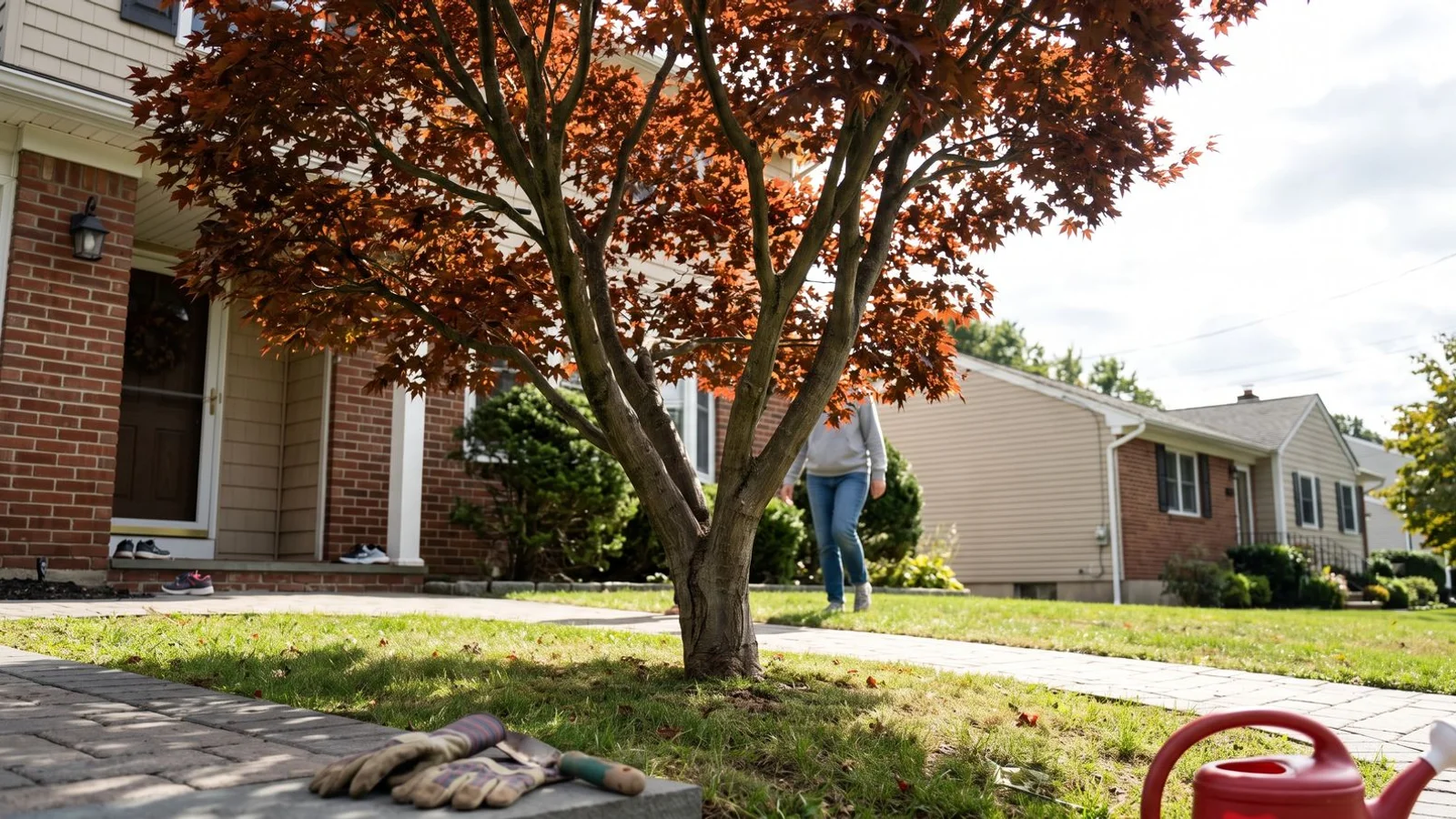
Our team sees exactly how confusing tree maintenance schedules can be for local property owners. Determining how often to prune trees in our area goes far beyond just improving curb appeal.
We know that proper timing actually prevents catastrophic storm failures and devastating fungal diseases.
The right schedule protects your property and your wallet. Our specialists built this guide to clarify the exact pruning timeline your landscape needs. This breakdown explores the data, what it actually tells us, and how you can apply these best practices directly to your own yard.
By Tree Age and Size
The ideal pruning frequency depends entirely on the tree’s growth stage, ranging from annually for saplings to every five years for mature specimens. We follow the industry standard ANSI A300 guidelines for all structural work. This protocol limits foliage removal to a maximum of 25 percent within a single growing season to prevent severe biological stress. Our arborists focus on establishing a strong central leader trunk during those early years to avoid splitting later. Proper early training significantly reduces the risk of co-dominant stems tearing apart in high winds.
| Tree Age | Frequency | Pruning Focus |
|---|---|---|
| Young trees (1 to 5 years after planting) | Annually | Structural pruning that establishes good branch architecture |
| Establishing trees (5 to 15 years) | Every 2 to 3 years | Correcting weak unions and building strong scaffold structure |
| Mature shade trees (15 to 50 years) | Every 3 to 5 years | Maintenance, deadwood removal, and canopy management |
| Old mature trees (50+ years) | Every 3 to 5 years | Lighter touch and preservation focus |
By Species (Westchester Common)
Local Westchester tree species require specific pruning schedules, with oaks needing a strict winter cycle and fruit trees demanding annual late-winter cuts. We strictly observe the New York State Department of Environmental Conservation guidelines to prevent devastating local diseases. The state designates April 1 through July 15 as a high-risk period for Oak Wilt. Our crews will only prune vulnerable oaks during the deep dormant season to avoid attracting the sap-feeding nitidulid beetles that spread this lethal fungus. Dutch elm disease presents a similar threat, making dormant pruning essential for elm survival.
- Oaks: every 3 to 5 years, dormant season only (December through February) to avoid oak wilt.
- Maples: every 3 to 5 years, dormant preferred, though late summer pruning is also acceptable.
- Elms: every 2 to 3 years, dormant season to avoid Dutch elm disease vectors.
- Fruit trees: annually, in late winter for proper form and maximum fruit production.
- Pines and spruces: every 3 to 5 years, removing dead branches as they appear.
- Ornamentals: annually or biennially depending on the specific species growth rate.
Signs Pruning Is Overdue
You can tell a tree is overdue for professional pruning if you spot visible deadwood, rubbing branches, or excessive canopy density. We frequently encounter homeowners who overlook dangerous co-dominant leaders, which are two competing main trunks that create a weak V-shaped union. These tight V-crotches are highly prone to splitting during heavy ice accumulation or high winds. Our assessments also look for epicormic shoots, commonly known as water sprouts, which signal that a tree is highly stressed and needs canopy management. Catching these warning signs early prevents major property damage.
- Deadwood visibly present in the canopy.
- Branches rubbing or crossing, which creates open wounds for pests.
- Weak co-dominant leaders developing into unstable V-crotches.
- Canopy density making it hard to see through, trapping wind.
- Branches touching the house, garage, or utility power lines.
- Storm damage from recent weather events left unaddressed.
- Broken or dangerously hanging branches.
We strongly advise scheduling a visit if any of these signals appear on your property.
Storm-Prep Pruning Cycle
Scheduling storm prep pruning involves targeted canopy thinning just before the Atlantic hurricane and nor’easter season peaks in late summer. We highly recommend this proactive storm-prep pruning to significantly reduce a tree’s physical wind load. Proper crown thinning allows high winds to pass harmlessly through the branches rather than catching the canopy like a massive sail. Our specialists safely remove 15 to 20 percent of the interior foliage to achieve this structural stability without harming the tree. Coastal properties in Larchmont, Rye, and Mamaroneck benefit most from this targeted reduction.
- Thin the canopy to reduce wind load.
- Remove deadwood.
- Address weak limbs before they fail.
- Preserve the tree’s primary structure.
Timing Considerations
The most effective time to prune the majority of Westchester tree species is during the late dormant season from late February through early April. We prefer this specific window because the trees are just waking up, allowing fresh cuts to close rapidly before spring fungal spores become active. Attempting aggressive pruning during the wrong season can lead to severe sunscald on newly exposed bark. Our scheduling team carefully matches the pruning technique to the specific time of year to ensure optimal recovery. Knowing the seasonal limits is the secret to a healthy landscape.
- Late dormant (late February through early April): best time for most Westchester species, allowing wounds to close cleanly as the tree wakes up.
- Early summer (June): acceptable for many species because full foliage helps identify deadwood easily.
- Late summer (August through September): good for storm prep pruning to reduce wind resistance.
- Fall: generally avoid heavy pruning because trees are preparing for dormancy, meaning wounds do not heal as cleanly.
- Winter (deep dormant): fine for oaks and elms because dry, cold conditions reduce disease spread, though access can be a challenge with heavy snow.
Younger Is Cheaper
Pruning a young tree establishes proper branch architecture early, making the process significantly faster and cheaper than correcting major defects at maturity. We frequently see property owners pay thousands of dollars for hazard removals because they skipped early structural training. A massive mature tree with severe structural flaws might require highly expensive cabling or bracing. Our early intervention approach sets up decades of safe, balanced growth for a fraction of that price.
If you have young trees under five years old, an annual pruning visit typically costs between $150 and $400 per tree. We view this small investment as the best insurance policy against future property damage. If the tree grows with weak unions, you will pay a lot more later to fix them or remove them.
Booking
Standard pruning visits generally require booking one to three weeks in advance, depending on the current seasonal demand. We experience our busiest scheduling window from late summer through early fall as residents rush to secure storm prep services. Winter dormant pruning is often the easiest scheduling window to secure quickly. Our crews utilize this slower winter period to safely handle complex oak and elm maintenance.
Call 914-907-4131 or use the contact form for a direct estimate. Reviewing our related resources provides even more detail: tree trimming vs pruning, storm-prep pruning, and our general tree trimming and pruning service page.
Conclusion
Our team hopes this schedule brings clarity to your seasonal maintenance planning. Maintaining a proper tree pruning schedule is the most reliable way to protect your property and extend the life of your landscape.
We strongly encourage you to evaluate your canopy before the next major weather event arrives.
Proactive care prevents minor structural flaws from turning into expensive emergencies. Our arborists invite you to reach out today for a professional assessment to keep your yard safe and beautiful.